
Is Your Smile Showing Signs of Damage? When to Consider Restorative Dentistry
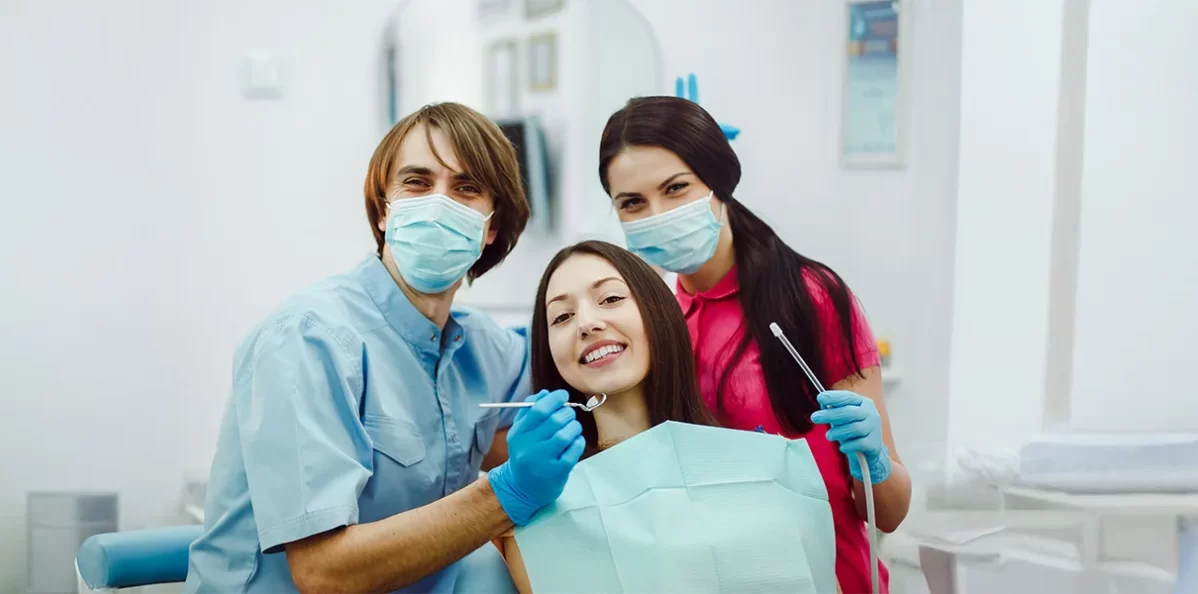
Every day, your teeth help you eat comfortably, communicate clearly, and smile with confidence. Over time, however, daily chewing, accidental injuries, teeth grinding, and natural aging can gradually take a toll. Some damage is obvious, while other problems develop quietly without causing immediate pain.
If you’ve been searching for restorative dentistry in Warren, MI, recognizing the warning signs early can help you protect your oral health before small concerns become more complex. In many cases, timely care helps preserve natural tooth structure, improves comfort, and restores normal function.
Why Addressing Dental Damage Early Matters
Minor dental problems rarely improve on their own. Early evaluation allows your dentist to identify the cause and recommend the most appropriate treatment before additional damage occurs.
Prevents Further Complications
A small cavity, tiny crack, or loose restoration can worsen if left untreated. Early care often helps prevent larger procedures later.
Preserves Natural Teeth
Modern restorative care focuses on saving healthy tooth structure whenever possible. Treating problems promptly may reduce the need for more extensive procedures.
Improves Daily Comfort
Damaged teeth can make eating, drinking, or speaking uncomfortable. Appropriate treatment often restores comfort during everyday activities.
Supports Long-Term Oral Health
Each tooth supports the others, helping your bite stay balanced and function properly. Repairing damaged areas helps protect surrounding teeth and promotes better oral health.
Sign #1 – Persistent Tooth Pain or Sensitivity
Occasional sensitivity after very cold food may not always indicate a serious concern. However, persistent discomfort warrants professional evaluation.
Sensitivity to Hot and Cold
Persistent sensitivity may be associated with:
- Tooth decay
- Worn enamel
- Exposed tooth roots
- Aging or damaged dental fillings
Pain While Chewing
Pain when biting down may indicate:
- A cracked tooth
- Tooth decay
- A damaged filling
- Infection affecting the inner tooth
Ongoing Discomfort
Pain that keeps coming back or doesn’t improve deserves professional attention. Early diagnosis improves the chances of successful tooth restoration while preserving healthy tooth structure.
Sign #2 – Chipped, Cracked, or Broken Teeth
Not every broken tooth causes immediate pain. What appears to be a minor chip today can gradually lead to more significant damage if it isn’t evaluated.
Visible Damage
Common causes include:
- Sports injuries
- Falls
- Chewing hard foods
- Teeth grinding
Professional broken tooth treatment helps restore strength while reducing the risk of additional damage.
Increased Risk of Decay
Tiny cracks may allow bacteria to enter deeper layers of the tooth, increasing the possibility of infection if treatment is delayed.
Cosmetic Concerns
Visible chips or fractures may also affect confidence. After evaluating the tooth, your dentist may recommend dental crowns or other restorative treatments to strengthen the tooth while improving your smile.
Sign #3 – Missing Teeth
Losing even one tooth affects more than your smile.
Impact on Chewing
Without all of your teeth working together, chewing can become less efficient, which may affect both comfort and nutrition over time.
Changes in Bite Alignment
When a gap remains untreated, nearby teeth may gradually drift into the empty space. This movement can affect bite alignment and make oral hygiene more challenging.
Bone Loss Concerns
Tooth roots help stimulate the jawbone during chewing. Without that stimulation, gradual bone changes may occur over time.
Several missing tooth replacement solutions are available depending on your oral health and treatment goals. When appropriate, dental implants replace the root as well as the visible portion of a missing tooth, helping restore function and stability.
Sign #4 – Worn or Flattened Teeth
Tooth wear often develops slowly, making it difficult to notice until significant changes have occurred.
Teeth Grinding (Bruxism)
Grinding or clenching places repeated pressure on teeth, gradually wearing away enamel. Teeth grinding often happens during sleep, and many people don’t realize they’re doing it.
Aging and Daily Use
Years of normal chewing naturally create some wear. However, excessive flattening or shortening of teeth may require professional attention.
Increased Sensitivity
As enamel thins, teeth may become more sensitive to temperature changes or to sweet foods. Appropriate tooth damage repair helps restore comfort while protecting remaining tooth structure.
Sign #5 – Old or Damaged Dental Restorations
Restorations are designed to last for many years, but they are not permanent.
Worn Fillings
Older fillings may crack, wear down, or separate from the tooth, allowing bacteria to enter underneath.
Loose Crowns
Over time, dental crowns may lose their fit for normal wear or changes in the supporting tooth.
Recurrent Decay
New decay can sometimes develop around existing restorations. Routine dental examinations help detect these concerns before symptoms become severe.
Benefits of Restorative Dentistry
Modern restorative dentistry rebuilds damaged teeth and preserves as much natural structure as possible.
Some important benefits include:
- Improved chewing efficiency
- Clearer speech
- Reduced sensitivity and discomfort
- Better smile appearance
- Protection for remaining natural teeth
- Improved bite balance
- Greater long-term oral stability
Treatment recommendations vary depending on the condition of each tooth and your overall oral health.
How to Prevent Future Dental Damage
Although not every dental problem can be avoided, healthy daily habits significantly reduce the risk.
- Brush twice daily using fluoride toothpaste.
- Floss daily to remove plaque between teeth.
- A custom-fitted mouthguard can help safeguard your teeth if you clench or grind them at night or play contact sports.
- Visit a dental office in Warren, MI, for routine examinations and professional cleanings.
- Limit sugary snacks and acidic beverages.
- Schedule an evaluation promptly if you notice pain, swelling, or visible damage.
As per the ADA, preventive care and regular dental visits reduce tooth decay and identify dental problems before they become more serious.
Final Thoughts
Many dental problems begin with small changes that are easy to dismiss until they become more noticeable. Persistent sensitivity, chipped teeth, worn enamel, missing teeth, and aging restorations may all indicate that professional evaluation is appropriate.
If you are considering “restorative dentistry near me”, seeking care early may help preserve healthy teeth, restore comfortable function, and support your long-term oral health. The dental team at Warren Smiles Dental can evaluate your concerns and recommend treatment options that fit your individual needs.